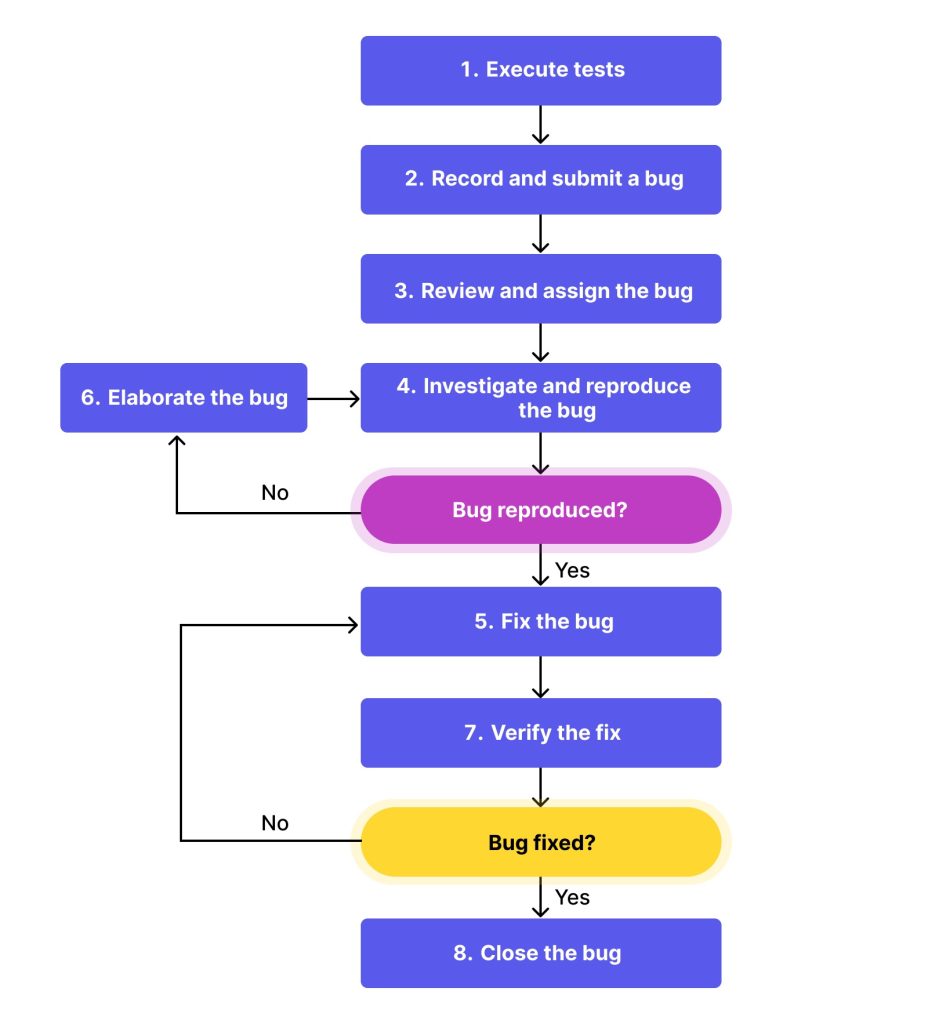
DDTS (Defect Detection Tracking System) is best understood as a classic defect tracking system designed for structured engineering environments. I used it intensively for about three years, and it is a good example of how software quality was managed before agile tools became dominant. I have written about 800 bug reports in DDTS.
This is not a tool that tries to motivate you or look modern. It exists to enforce correctness, traceability, and responsibility.
What DDTS actually does
At its core, DDTS manages defects. A defect in DDTS is a formal object with clearly defined attributes:
- origin of the issue
- affected system or component
- version and environment
- severity and priority
- responsible party
- status and history
Workflow discipline
DDTS enforces a strict lifecycle. Every change is logged. An issue is created, reviewed, assigned, analysed, fixed, verified, and only then closed. You cannot skip steps without justification. Ownership is explicit at every stage. This makes DDTS suitable for environments where software quality must be demonstrated, not just assumed. Think of acceptance testing, audits, or contractual delivery. For students or junior testers, this kind of tool is useful to learn what disciplined defect management really means.
Limitations you should be aware of
DDTS is rigid by design. The interface is functional but not intuitive. Reporting is predefined and not very flexible. Adapting workflows requires administrative effort. It is not designed for rapid iteration or experimentation. If your team changes its process every few weeks, DDTS will feel restrictive. That does not make it bad. It makes it specialised.
How DDTS compares to modern tools
To place DDTS in context, it helps to compare it with tools that are more common today. DDTS is closest in philosophy to Micro Focus ALM Quality Center. Both focus on formal test and defect management with strong traceability and audit support. Compared to Atlassian Jira, the difference is clear. Jira is flexible and configurable, but that flexibility often depends on team discipline. DDTS builds that discipline into the tool itself. If you have experience with IBM ClearQuest, the working model will feel familiar. Structured schemas, strict workflows, and an emphasis on lifecycle control rather than speed.