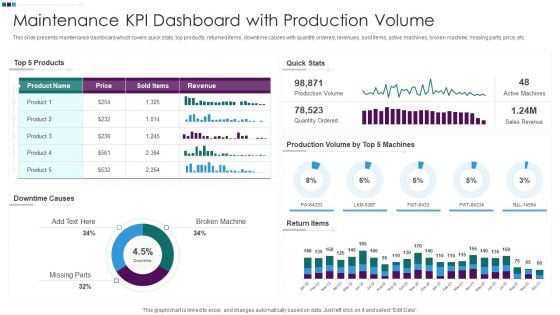
Image for illustration
In one of my earlier data driven projects I supported DI service operations by building a practical KPI calculation pipeline for the repair of televisions, beamers and monitors. The goal was simple and very concrete. Give management daily insight into how fast devices moved through the repair process using nothing more than the data that already existed.
From raw service data to usable indicators
The input was not a clean database or an API. Each day Sony service logistics delivered a CSV file by email containing raw records of incoming and completed repairs. The arrival time of a device and the moment the repair was completed. From these two values I calculated the turnaround time for each unit. This delta between arrival and repair completion became the core KPI. It directly answered a question every service organization cares about. How long does a customer device stay in the repair flow.
Automating the intake of CSV data
The automation started at the email level. Incoming messages were handled by Eudora which supported flexible rule based processing. As soon as a service report email arrived an email rule automatically extracted and saved the CSV attachment to a predefined location.
This step removed all manual handling. No copying no renaming no risk of forgetting a day. The moment the data arrived it was ready for processing.
KPI calculation and visualization in Visual Basic
The processing and visualization logic was implemented in Visual Basic. The application loaded the daily CSV file parsed the raw timestamps and imported it to the table in Excel and calculated the turnaround time per device. These values were then aggregated into daily indicators that management could immediately interpret. For the CEO a daily graph was generated showing repair performance over time. The visualization was not static. Graph properties such as axis ranges labels and scaling were automatically adapted based on the incoming data. This ensured that every report remained readable without manual tuning even when volumes fluctuated. The output was a clear daily performance curve that made bottlenecks and improvements visible at a glance.