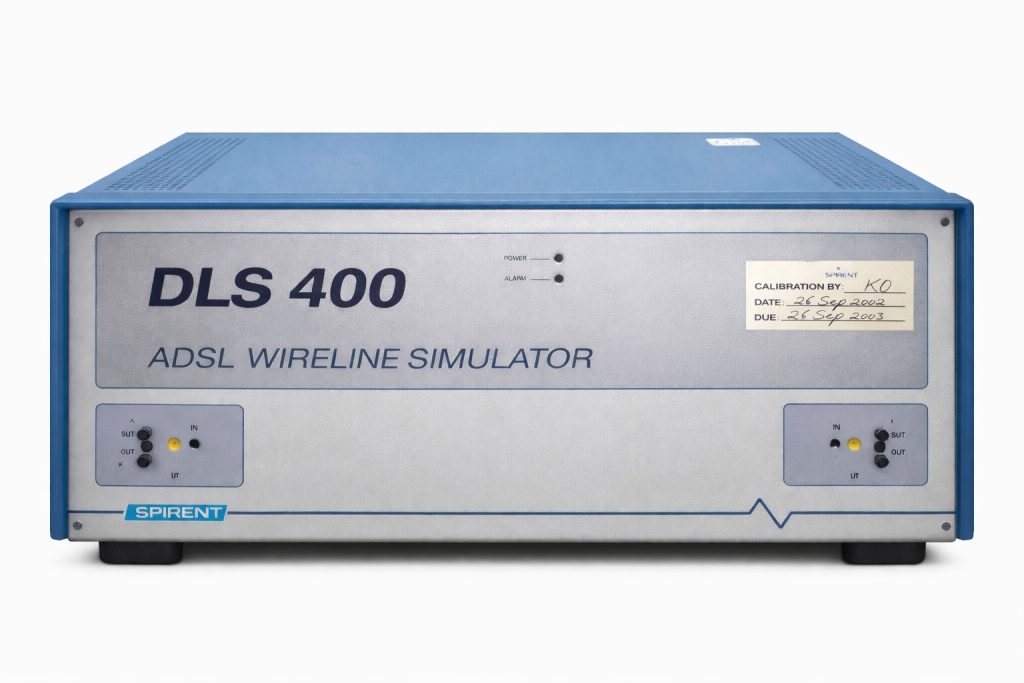
Improving ADSL Modem Validation Through Automation and Smart Calibration
During the development of ADSL modem chipsets for the global market, one of the key challenges was ensuring consistent performance across a wide range of line conditions. In high volume semiconductor environments, performance testing accuracy is critical. At the same time, efficiency determines whether a project remains economically viable. This project combined software testing, automated software testing and software development, knowledge of electronics into one integrated approach.
Context: Prototype ADSL Modem Chipsets
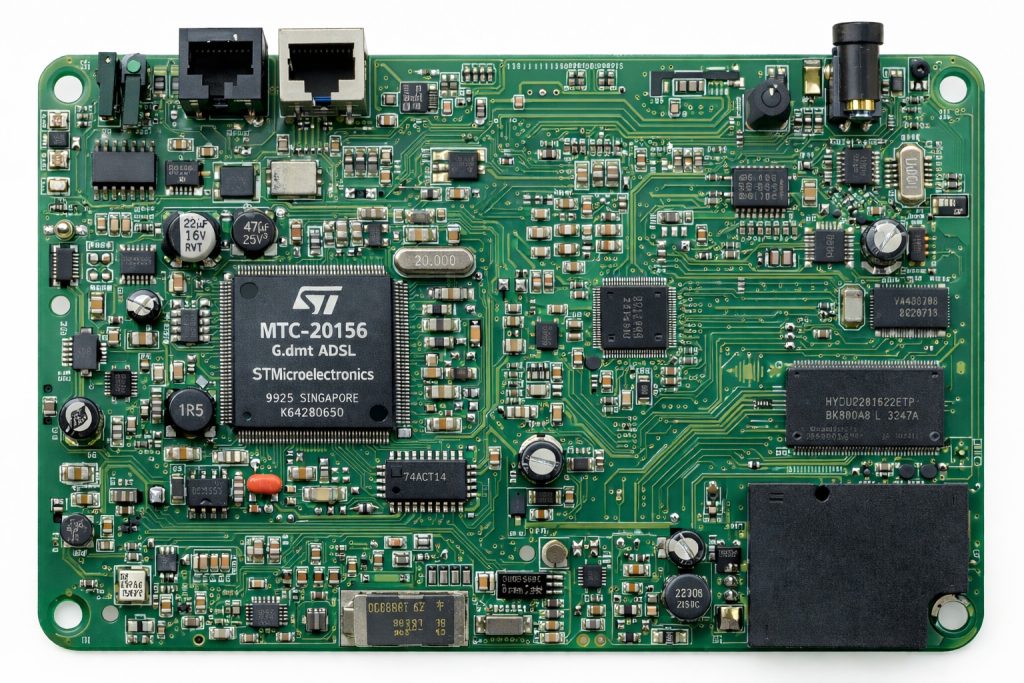
The work focused on prototype ADSL modem chipsets intended for international deployment. These devices needed to comply with strict performance requirements across multiple markets, including variations in line quality, noise profiles, and regional standards.
Testing was not limited to simple functional validation. The strategy included:
• System integration testing
• Functional testing
• Regression testing
• Performance testing
The goal was to guarantee stable synchronization, reliable throughput, and consistent behavior under simulated real world conditions.
The Challenge: Line Simulator Calibration
ADSL validation depends heavily on line simulators. These devices emulate different copper line characteristics such as attenuation, noise, and impedance.
However, calibrated line simulators are expensive and require ongoing maintenance. Manual calibration procedures are time consuming and prone to variability. In large scale testing environments, this becomes a bottleneck.
The key question was simple:
How can we increase calibration reliability while reducing operational cost?
The Solution: Automated Calibration Platform
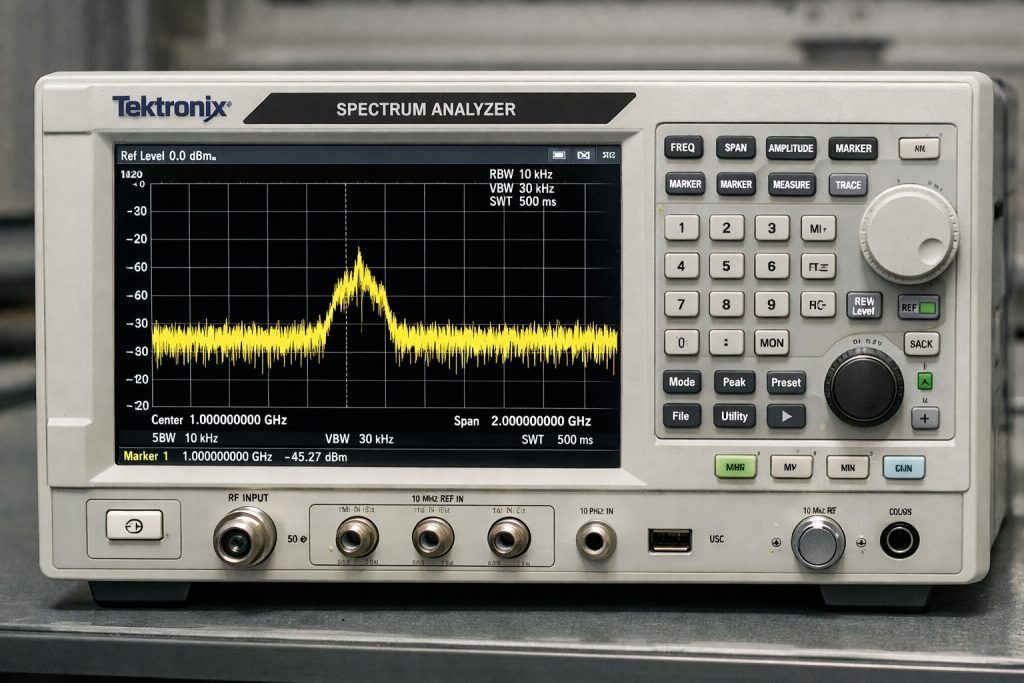
To solve this, I developed an automated calibration tool using Tcl and Tk for the interface layer, combined with direct injection into Excel files and VBA for structured reporting and traceability.
The tool performed:
• Automated calibration sequences
• Controlled interaction with line simulators
• Data collection and validation
• Structured reporting in Excel
• Historical comparison and traceability
The integration with Excel was intentional. It allowed transparent reporting, easy distribution within engineering teams, and compatibility with existing quality workflows. The Tcl/TK tool created the Excel files with an
The result was a repeatable and consistent calibration process that removed human variability from the equation.
Measurable Impact: 1 Million Euro Cost Reduction
The automation approach significantly reduced the dependency on purchasing additional calibrated line simulators.
By optimizing the calibration workflow and extending the usable lifecycle of existing equipment, the project avoided approximately 1 million euro in capital expenditure.
This was not achieved through cutting corners. On the contrary, the automation improved calibration precision and documentation quality, strengthening compliance and audit readiness.
Strengthening Quality Assurance at STMicroelectronics
Beyond cost reduction, the most important outcome was quality assurance.
The automated framework supported the validation of ADSL modems developed at STMicroelectronics, ensuring adherence to performance standards before mass production.
By combining structured testing methodologies with intelligent automation, the validation process became:
• Faster
• More consistent
• More traceable
• More scalable